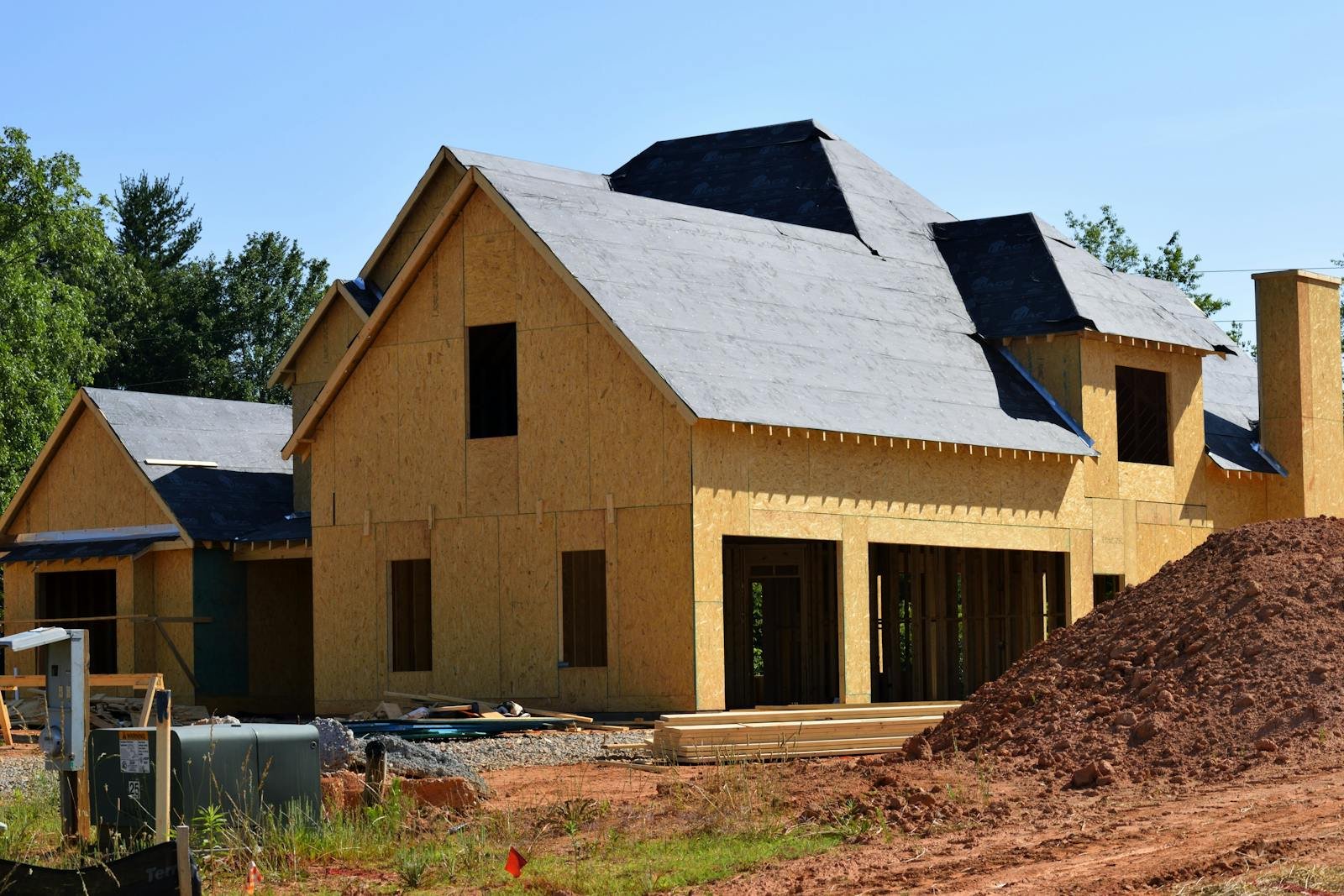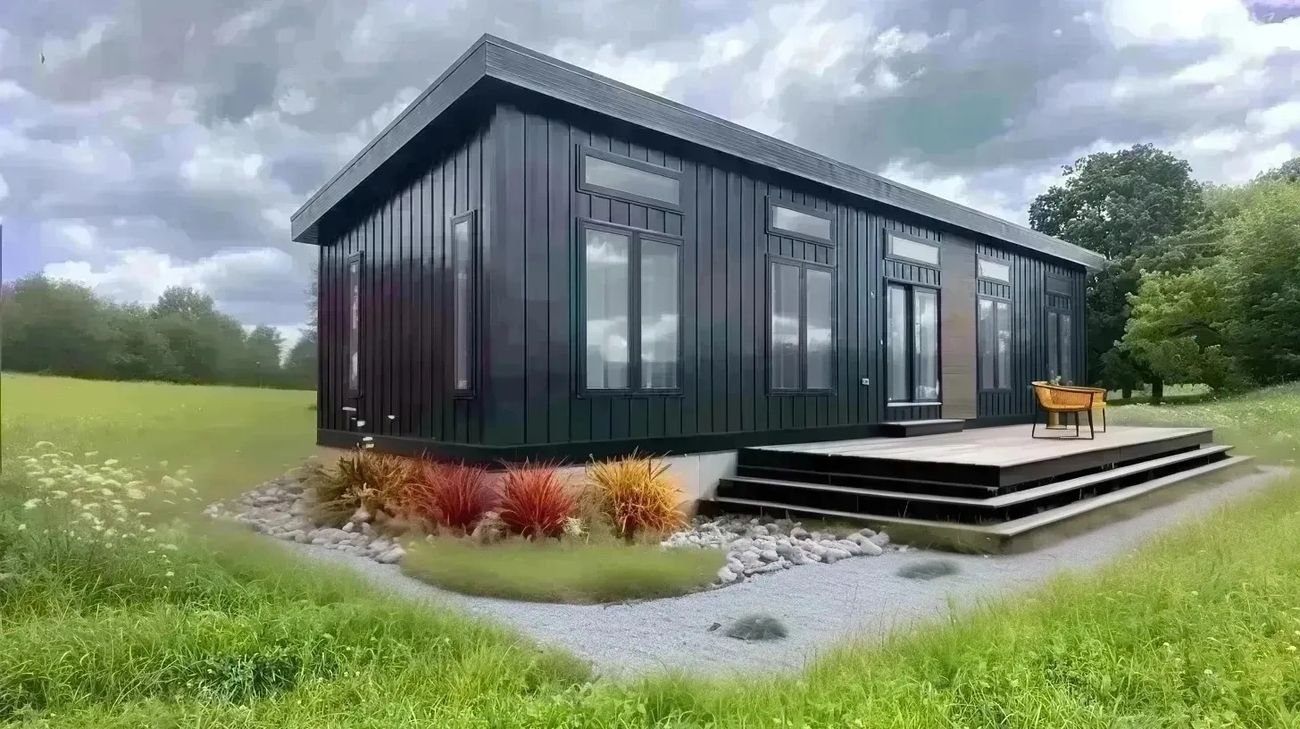
When it comes to adding extra storage or workspace to your property, deciding between a shed and a barn can feel like a tough call. Both structures offer benefits, but the right choice depends on your needs, budget, and long-term goals. So, how do you know which one is the best fit for you? Let’s break down the differences between a shed and a barn, and help you decide which structure will suit your needs best.
What is a Shed?
A shed is a small, usually standalone structure used for storage, gardening, tools, and even hobbies like crafting or woodworking. Typically, sheds are built to be compact, easy to assemble, and versatile. If you’re a DIY enthusiast, a gardener, or someone who just needs extra storage space, a shed might be the right choice.
Ideal Uses for a Shed:
- Tool Storage: If you have a lot of gardening tools or outdoor equipment, a shed is a perfect solution.
- Small Workshop: Many people turn their sheds into small workshops or hobby spaces.
- Gardening Supplies: A shed can easily hold soil, pots, fertilizers, and other gardening essentials.
- Seasonal Storage: Use it for storing seasonal items like lawn mowers, bicycles, or holiday decorations.
Why Choose a Shed?
- Affordability: Sheds are generally less expensive to build than barns, especially if you’re looking at pre-built or DIY options.
- Portability: Unlike barns, sheds are often easier to move if needed, especially the smaller models.
- Easy Construction: Sheds can usually be built relatively quickly, even by those with minimal construction experience.
- Space-Efficient: Ideal for smaller properties or anyone who doesn’t need a massive amount of storage.
What is a Barn?
A barn is a much larger structure, often used for agricultural purposes, storage, or as a workshop. Barns are typically permanent fixtures on your property and are designed to last for decades. They offer significantly more space compared to sheds and are built to handle heavier loads, making them ideal for storing large equipment or housing animals.
Ideal Uses for a Barn:
- Livestock Shelter: If you have animals like cows, horses, or sheep, a barn provides ample space for them to roam and rest.
- Agricultural Storage: Barns are perfect for storing hay, feed, or farming tools.
- Workshop or Garage: With a larger footprint, barns can be converted into workshops or garages.
- Event Space: Some people use barns as rustic venues for weddings or community events.
Why Choose a Barn?
- More Space: If you’re in need of storage for large equipment, or if you have animals to shelter, a barn is the way to go.
- Durability: Barns are built to withstand harsher weather conditions, making them ideal for long-term use.
- Multi-Functional: A barn can serve many purposes—it’s not just storage, it can be a home office, workshop, or even a guest house.
- Long-Term Investment: Barns are built to last, offering more value in the long run compared to a shed.
Key Differences Between Sheds and Barns
Now that you know what each structure is used for, let’s dive into the main differences:
| Feature | Shed | Barn |
| Size | Smaller, compact | Larger, often much bigger |
| Function | Storage, hobby space, tool shed | Agricultural storage, livestock shelter, workshop |
| Cost | Less expensive | Higher cost due to larger size, materials, and construction |
| Construction Time | Quick to build | Takes longer to build, often requiring professional help |
| Portability | Can be relocated, especially smaller sheds | Permanent structure, not easily moved |
| Durability | Generally durable, but may not withstand harsh weather | Built to last and withstand extreme conditions |
Cost Comparison: Which is More Affordable?
When it comes to price, sheds are generally more affordable than barns. Sheds can range from a few hundred dollars for smaller, prefab models to a few thousand for custom-built options. Barns, on the other hand, can cost anywhere from $10,000 to $50,000 or more, depending on size, materials, and complexity.
If you’re on a tight budget and only need a small space for storage or a workshop, a shed is a more cost-effective solution. But if you’re looking for a larger, more permanent structure to house animals, store equipment, or even hold events, a barn may be a better long-term investment.
When to Choose a Shed
- You need a simple storage solution: If you only need a place to store tools, bikes, or garden supplies, a shed will meet your needs without breaking the bank.
- You have limited space: If your property is small, a shed offers a compact option that doesn’t take up too much room.
- You want a DIY project: Sheds are easier and quicker to build, especially if you’re interested in taking on a DIY project.
When to Choose a Barn
- You need more space: A barn offers significantly more room, making it ideal for larger equipment, livestock, or farming needs.
- You’re planning a long-term investment: Barns are durable, and while they’re more expensive upfront, they’ll last for many years and add more value to your property in the long run.
- You need a versatile structure: Whether you’re using it for storage, as a workshop, or to house animals, a barn’s larger space and sturdier design can handle a variety of functions.
Conclusion
Ultimately, the decision between a shed and a barn depends on your needs, budget, and the amount of space available on your property. If you’re looking for something smaller, more affordable, and easy to install, a shed is your best bet. But if you need a larger, more durable structure with multi-functional capabilities, a barn will be the right choice.
Still unsure which is the best fit for your needs? Contact us today for a free consultation and we’ll help you choose the perfect structure for your property!
FAQ That Related to Customer Queries
What’s the difference between a shed and a barn?
Answer: The main difference between a shed and a barn is their size, purpose, and construction. Sheds are smaller, typically used for storage or as a workshop, while barns are larger, often used for agricultural purposes, livestock shelter, or as multi-purpose spaces. Barns are also more durable and permanent compared to sheds.
How long do sheds and barns last?
Answer: Sheds can last anywhere from 10 to 20 years, depending on materials, maintenance, and weather conditions. Barns, being larger and built with more durable materials, can last for 30 years or more with proper care and maintenance.
Do I need a permit to build a shed or barn?
Answer: Yes, depending on your location and the size of the structure, you may need a permit for building either a shed or a barn. It’s important to check with your local zoning office to ensure compliance with local building codes and regulations.
How long does it take to build a shed or barn?
Answer: Sheds can be built relatively quickly, typically within a few days to a few weeks, depending on size and complexity. Barns, on the other hand, may take several weeks or even months to construct, particularly if custom-built or requiring specialized construction.
What size shed or barn do I need for my property?
Answer: The size of the shed or barn you need depends on your property size and your intended use. For smaller storage needs, a 10×10 or 12×12 shed may suffice. For larger agricultural or multi-purpose uses, a barn can range from 20×30 feet or larger. Consider your needs for storage, shelter, and future expansion when deciding on the size.